
Automated General Ledger Reconciliation Software
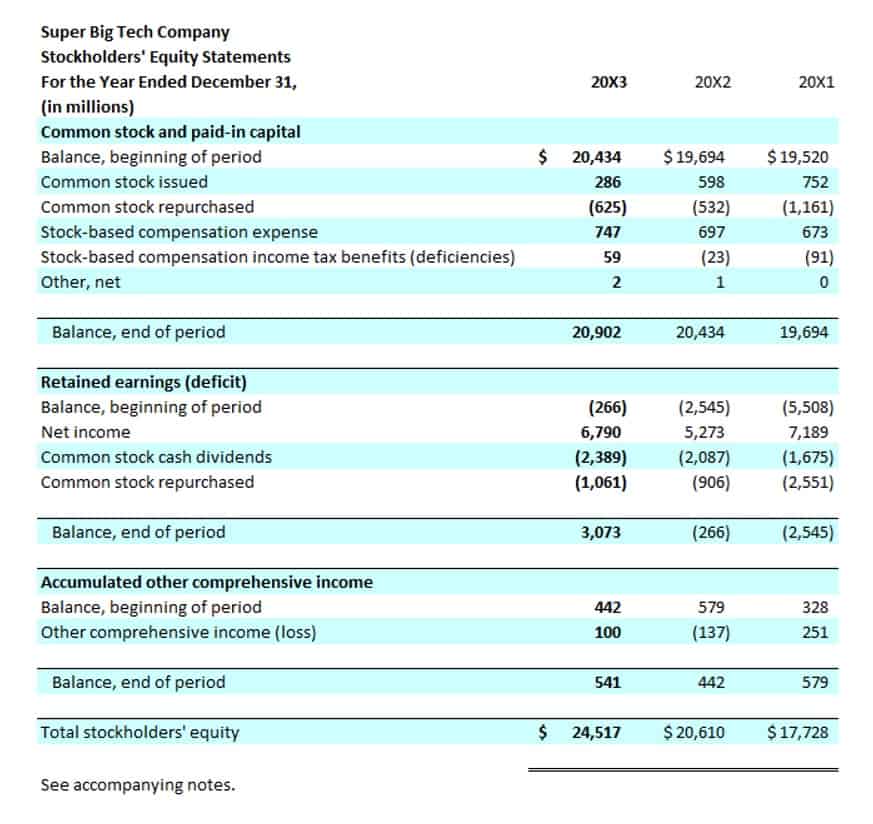
This section explores how meticulous general ledger reconciliation helps you achieve compliance and audit readiness. For high-volume businesses, automated solutions can streamline this crucial process, ensuring accuracy and efficiency. Learn more about Bookstime how HubiFi can help you automate your revenue recognition and maintain a healthy financial standing. A simple misplaced decimal or transposed number can throw off your entire reconciliation. These seemingly small errors can cause significant discrepancies in your financial statements.
Sub-ledgers for Granular Data
- By following these steps diligently, businesses can identify and correct discrepancies, thereby maintaining accurate and reliable financial information, minimizing the risk of errors.
- Whether it’s spotting duplicate entries or making sure your expenses are coded correctly, reconciliation helps maintain financial health and gives you peace of mind.
- Moreover, the increased efficiency frees up your finance team to focus on analysis and strategic decision-making, rather than getting bogged down in tedious manual tasks.
- Businesses should select the process that works best for them and continue to perform that process the same way every month.
In the following image, we can see an example of receivable ledger reconciliation. As per the records, what are retained earnings there is a discrepancy of over US$ 40,000 (shown in RED) between ‘invoice raised’ and the actual entries in the accounts. This shows a significant gap that can distort the company’s finances, if not taken care of during the reconciliation process. Keep detailed records of all reconciling items, including dates, descriptions, and corrective actions taken. This ensures a clear audit trail and facilitates easier reviews and future reconciliations.
Generating General Ledger Reconciliation Reports

Without a detailed record of each step, identifying the source of discrepancies becomes a guessing game. Maintain organized records of all supporting documentation, including invoices, bank statements, and journal entries. A well-documented process ensures accountability and provides a clear audit trail.
- To mitigate this issue, many companies use automated accounting software, which allows accountants to set specific timeframes for review and helps ensure reconciliations are performed regularly and on schedule.
- By tracking everything in these categories, a general ledger helps you keep an eye on your business’s financial health.
- Another common issue is posting transactions to the wrong account in the GL.
- Business-specific reconciliation compares internal records at the beginning and end of each financial cycle.
- This layered approach ensures both a big-picture view and detailed insights into your company’s finances.
- Did you know, according to the Association of Certified Fraud Examiners(ACFE) report, organizations suffer a significant loss equivalent to 5% of their annual revenues due to fraud ?
Errors due to Miscommunication

Finally, not having a consistent reconciliation process can lead to errors. If you don’t reconcile your accounts regularly, small mistakes can build up over time. Document each step of the general ledger account reconciliation process, including findings, adjustments made, and resolutions reached. General ledgers, also known as accounting ledgers, serve as the comprehensive and meticulous documentation of a company’s financial transactions.
BUSINESS SOLUTIONS

This may involve recording missing transactions, correcting errors, reversing duplicate entries, or updating account balances to reflect the correct amounts. Collect all relevant financial documents, including bank statements, invoices, receipts, and internal accounting records for the period being reconciled. The first step is to collect all relevant supporting documents corresponding to your general ledger transactions.
Business Unit vs. Ledger Reconciliation
- And general ledger reconciliation plays a driver’s role in practising financial discipline.
- Businesses often have accounts for even more specific items like prepaid expenses and sales tax liabilities.
- As a CFO, you’re tasked with maintaining the financial health of your business, from managing budgets to ensuring accurate financial forecasts.
- Double-checking entries and using data validation features in your accounting software can significantly reduce these errors.
- Automated general ledger reconciliation works by gathering financial data from sources, such as bank statements and subsidiary ledgers, and comparing it to the general ledger.
- Now, let’s take a closer look at some of the most common challenges in general ledger reconciliation, and how an automated solution can help overcome them.
Learn more about advanced technology solutions and software recommendations, and see our reconciliation software in action with real-life examples. When using accounting software, you often post to an account by referencing its account number rather than its account name. If you accidentally post to the wrong account, more than just one account will be off in your reconciliation. Reconciling all your accounts may take some getting used to, but once you have a process in place, it should go more smoothly with each passing month. Here are a few things you’ll need to watch out for when performing monthly, quarterly, or annual GL reconciliations. These accounts can be further categorized into subledgers to whatever degree your company wants.

Real-time access also means you can identify and address discrepancies quickly, preventing them from snowballing into bigger problems. Seamless integrations with your existing accounting software and ERPs are key to unlocking these benefits. Comparing the general ledger to supporting documents ensures your accounting records are correct, leaving no room for costly errors or audit surprises.
How to Compare Beginning and Ending Account Balances?
- This step ensures the accuracy of the general ledger and maintains the integrity of the company’s financial records.
- Modern software, like Kolleno, automates and streamlines the reconciliation process.
- This way, stakeholders and management always have a finger on the pulse of what processes are taking place and what may be needed to continue progressing.
- With accurate and current financial information at their disposal, business leaders can make more informed and practical decisions, steering their companies toward greater success.
Our GST Software helps CAs, tax experts & business to manage returns & invoices in an easy manner. Our Goods & Services Tax course includes tutorial videos, guides and expert assistance to help you in mastering Goods and Services Tax. Clear can also help you in getting your business registered for Goods & Services Tax Law. Micro and small enterprises usually practise ledger reconciliation in digital spreadsheets, like MS Excel, general ledger reconciliation etc. However, dedicated accounting applications are becoming more prevalent because of the accounting automation facilities they offer. This article explains what general ledger (GL) account reconciliation is, the processes and best practices.